2004, Kelantan
RUCINI began with a small workshop and a straightforward observation: the bags available to Malaysian women were either designed for temperate climates and priced accordingly, or made cheaply enough that they did not survive a single monsoon season. There was very little in between.
Twenty years on, the brief has not changed. Everyday luxury, built for the weather we actually have, at a price a working woman can justify.
What a tropical climate teaches you
Making accessories here forces decisions that a European workshop never has to make. Three of them shaped how we build.
- Finish over hide. A moisture-resistant finish protects a bag more than an expensive hide does when the cupboard sits at eighty per cent humidity.
- Ventilated construction. Fully sealed interiors trap moisture. Our linings are attached so that air can move when the bag is stored open.
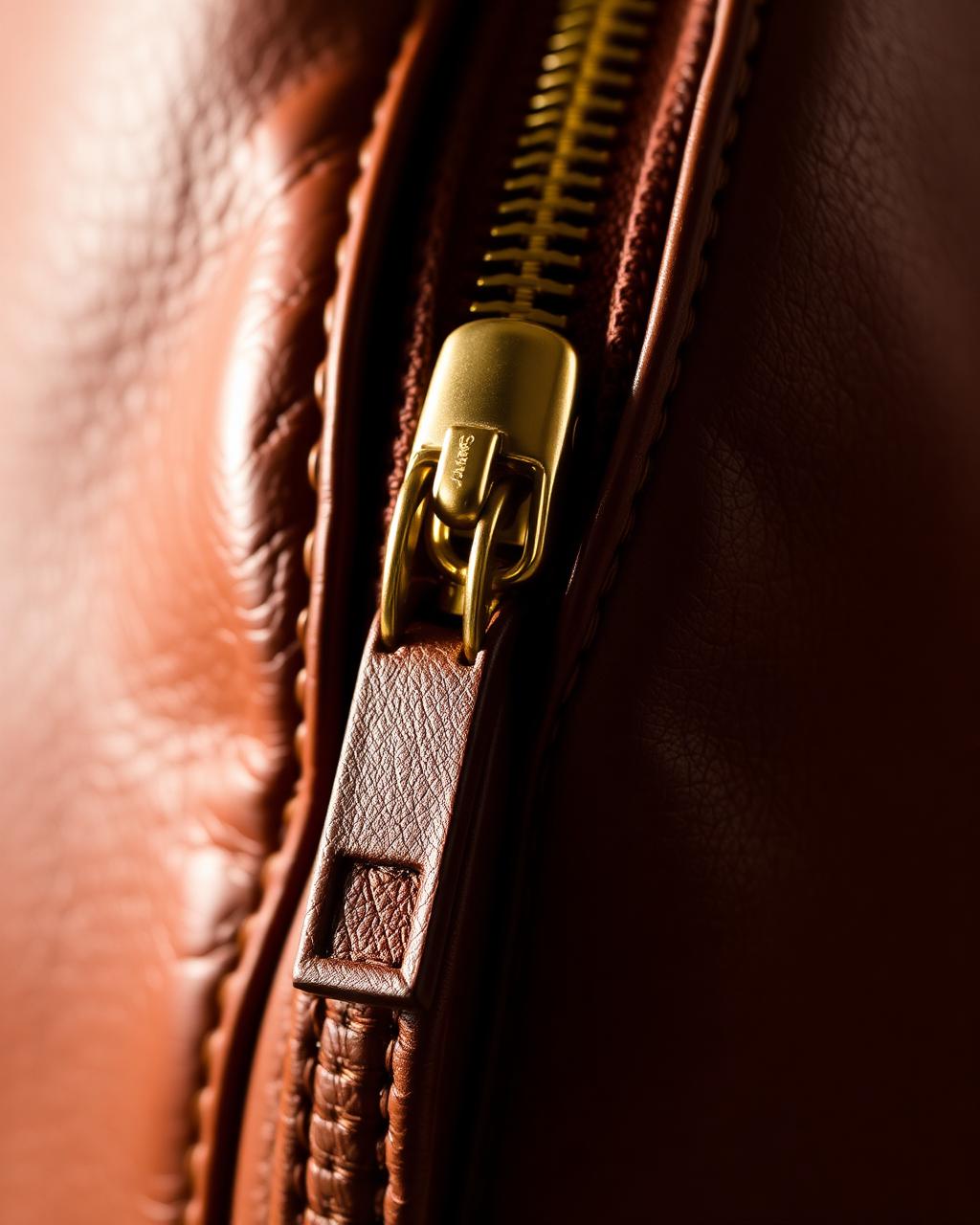
- Hardware that tolerates salt. Coastal air dulls cheap plating within months, so we specify heavier plating than the price point strictly requires.
You cannot design for a climate you do not live in. We have only ever designed for this one.
From one counter to a country
Growth came slowly and through department store counters rather than advertising — Kelantan first, then Penang, the Klang Valley, Johor, and eventually across the causeway to customers in Singapore. Along the way the collection widened from handbags into wallets, small leather goods and footwear, always for the same customer.
What has not changed
Designs are still drawn in-house. Production is still in Malaysia. And the people who answer our customer support form are the same people who can tell you which panel of a bag is most likely to scuff and why.
That last part is not sentiment. It is the reason our care advice is specific rather than generic — we know how these pieces fail, because we have watched them age in this climate for twenty years.
The next twenty
More footwear, wider sizing, and a continued refusal to design a bag that looks right in a photograph and wrong on a Tuesday. We appreciate the trendy and you.